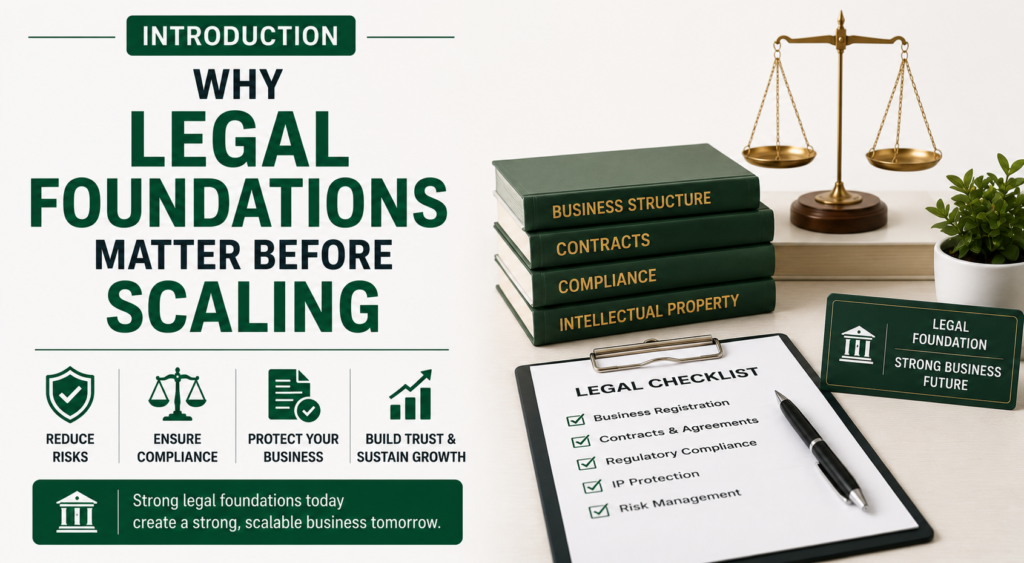
Launching a startup in Pakistan is thrilling but without the right legal structure, even the most promising venture can collapse under compliance issues, disputes, or investor rejections. Whether you’re a freelancer turning into a company, a tech founder planning to raise capital, or a software house expanding globally, the first step to sustainable growth is a strong legal foundation.
This article explains the essential legal checklist for startups in Pakistan, giving you a complete roadmap to stay compliant, attract investors, and scale confidently.
Startups often focus on product, marketing and funding while under estimating legal structure, compliance and IP protection. In Pakistan.
A messy incorporation or missing registration could block investor interest.
Ignoring tax registration or export credentialing may raise red flags or penalties.
Weak intellectual property (IP) protection or no founder agreements can lead to disputes later.
For example, one local software startup found that their unregistered brand name was challenged by a competitor everything slowed down while they dealt with the legal fallout.
Having the right legal checklist early creates credibility and scalability. It also aligns with services like the startup legal consultancy offered by MAH&CO.

Founders of new tech companies, SaaS businesses or IT/ITeS firms.
Freelancers transitioning into formal companies.
Software houses scaling with international clients.
Early stage ventures seeking investment or export opportunities.
Your legal structure determines how your startup operates, pays taxes, and manages liability.
Common options include.!
Sole Proprietorship: Simple but offers no liability protection.
Partnership: Useful for small teams but riskier legally.
Private Limited Company (Pvt. Ltd.): The most investor friendly and scalable structure.
Single Member Company (SMC): Ideal for solo founders wanting limited liability.
Pro Tip: For startups planning to raise funds or work internationally, register as a Private Limited Company under SECP.
Registration with the Securities and Exchange Commission of Pakistan (SECP) gives your startup legal recognition. You’ll need to reserve your name, prepare a Memorandum and Articles of Association (MOA/AOA), and receive an incorporation certificate.
Why it matters:
Establishes your brand as a legitimate entity.
Builds credibility with investors and clients.
Protects you from liability as an individual.
Every startup must have a National Tax Number (NTN) from the Federal Board of Revenue (FBR). If you sell taxable goods or services, also obtain a Sales Tax Registration Number (STRN).
Benefits:
Ensures compliance with tax authorities.
Allows participation in government programs and funding.
Prevents penalties or account freezes.
Your brand name, logo, software, and digital assets are your biggest assets. Register them with the Intellectual Property Organization of Pakistan (IPO-Pakistan) to prevent imitation or misuse.
Key IP Types:
Trademarks: Protect your brand identity.
Copyrights: Safeguard your original content or software.
Patents: Secure unique inventions or technology.
Example:
A Lahore based app startup lost its first investor because its brand name was already trademarked by another company. Simple IP registration could have avoided this setback.
If your startup has multiple founders, a Founders’ Agreement is a must. It defines each person’s roles, responsibilities, shareholding, and exit clauses.
Include these essentials.
Equity distribution and vesting schedule.
Decision-making authority.
Conflict resolution process.
IP ownership and confidentiality.
Why it’s vital: Prevents misunderstandings and protects your company from internal disputes.
Every startup should have a few core legal documents in place:
Service Agreement: Outlines terms for clients.
Employment Contract: Defines roles and expectations for staff.
Non Disclosure Agreement (NDA): Protects sensitive information.
Privacy Policy & Terms of Service: Required for websites and apps under data protection laws.
Yes especially if you collect user data, run ads, or operate SaaS platforms.
Depending on your business model, you may need extra licences:
IT & Software Export: Register with PSEB (Pakistan Software Export Board).
Fintech Startups: May require approval from State Bank of Pakistan (SBP).
E-commerce Businesses: Must follow E-Commerce Policy 2019 guidelines.
Once you start hiring, comply with labour laws, EOBI, and Social Security registration. Every employment agreement should define job scope, salary, leave policy, and termination clauses.
Pro Tip: Maintain employee records and issue payslips investors and auditors look for compliance discipline
Depending on your business model, you may need extra licences:
IT & Software Export: Register with PSEB (Pakistan Software Export Board).
Fintech Startups: May require approval from State Bank of Pakistan (SBP).
E-commerce Businesses: Must follow E-Commerce Policy 2019 guidelines.
Once you start hiring, comply with labour laws, EOBI, and Social Security registration. Every employment agreement should define job scope, salary, leave policy, and termination clauses.
Pro Tip: Maintain employee records and issue payslips investors and auditors look for compliance discipline
Legal compliance isn’t a one-time task. You must:
File annual returns with SECP.
Submit tax filings and audit reports on time.
Update licences and registrations regularly.
Hold board meetings and maintain records.
Neglecting compliance can lead to penalties, legal action, or investor loss.
When your startup begins to grow, prepare for external funding or exit. Investors will review your legal records during due diligence.
Checklist for scaling:
Cap table management.
Shareholder agreements.
IP ownership proof.
Clean financial and compliance history.
Case Study: TechNova Solutions (Karachi)
Initially, the founder operated as a freelancer on Upwork. When clients requested invoices and company contracts, he registered a Private Limited Company, obtained an NTN, trademarked his brand, and signed proper NDAs. Within six months, he onboarded international clients and raised his first seed investment.
Lesson: A solid legal foundation builds investor confidence and global credibility.
Builds trust with investors and partners.
Protects brand and intellectual assets.
Minimizes compliance risks.
Creates a foundation for sustainable growth.
Legal disputes and penalties.
Investor hesitation due to lack of compliance.
Risk of brand or IP theft.
Business interruption due to regulatory issues.
At MAH&CO., we specialize in helping startups, freelancers, and tech businesses establish and grow legally in Pakistan.
Expertise:
Our lawyers understand startup dynamics — from SECP registration to investor readiness and IP protection.
Experience:
We’ve guided startups in Karachi, Lahore, and Islamabad, helping them transition from unregistered operations to investor-ready companies.
Trust:
Transparent processes, practical advice, and long-term legal support ensure your startup scales confidently.
Services Include:
Company registration & tax compliance
IP registration and brand protection
Founder and employment agreements
Legal audit and compliance setup
Ready to protect and scale your startup?
Contact MAH&CO. today for expert startup legal consultancy in Pakistan.
Startups should register with SECP, get tax numbers, protect IP, draft founders’ agreements, and set up contracts and compliance systems before scaling.
It legally recognizes your business, protects from liability, and builds investor confidence.
Yes, trademarking your name and logo with IPO-Pakistan prevents others from copying or using your brand identity.
A startup lawyer can assist in company incorporation, IP protection, compliance, and legal documentation, saving you from costly mistakes.